 by
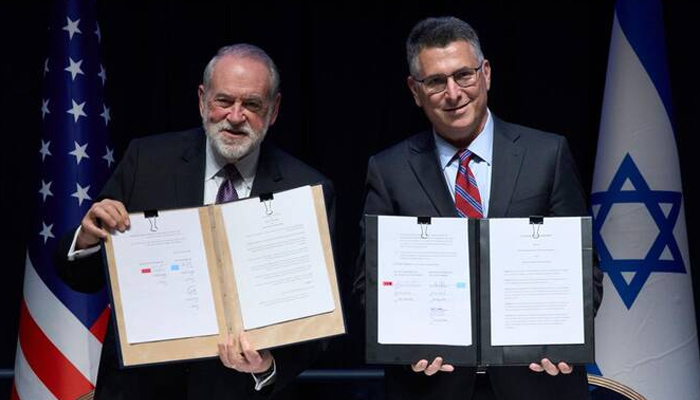
by The United States has signed an agreement to construct a permanent embassy complex in occupied Jerusalem, marking another significant step in strengthening its diplomatic presence in the city. The move has once again drawn international attention, as the status of Jerusalem remains one of the most sensitive and disputed issues in the Israeli-Palestinian conflict.
According to official reports, the agreement covers the planning, design, and construction of a new permanent embassy facility intended to replace or expand the existing diplomatic infrastructure. The project is expected to provide modern office space, enhanced security features, and improved facilities for American diplomatic staff.
The United States officially relocated its embassy from Tel Aviv to Jerusalem in 2018, recognizing the city as Israel’s capital. The decision was welcomed by Israel but strongly opposed by the Palestinians, who regard East Jerusalem as the capital of a future independent Palestinian state. The embassy relocation also sparked widespread international debate and criticism from several countries and international organizations.
The signing of the new construction agreement is being viewed as a continuation of the US policy regarding its diplomatic presence in Jerusalem. Israeli officials have welcomed the development, describing it as a symbol of the strong strategic partnership between the two countries.
On the other hand, Palestinian leaders have reiterated their opposition, arguing that any unilateral action concerning Jerusalem undermines efforts to achieve a negotiated two-state solution. They maintain that the city’s final status should be determined through direct peace negotiations in accordance with international law and relevant United Nations resolutions.
The international community remains divided over the issue. While some countries have followed the United States in relocating or announcing plans to move their embassies to Jerusalem, many continue to maintain their embassies in Tel Aviv, citing the unresolved status of the city under international law.
Political analysts believe the latest agreement could have diplomatic implications for future peace efforts in the Middle East. They note that developments involving Jerusalem often generate strong reactions across the region and can influence broader diplomatic relations.
As construction plans move forward, global attention is likely to remain focused on the project’s progress and its potential impact on regional politics. The future of Jerusalem continues to be one of the most challenging issues in the Israeli-Palestinian conflict, making every major diplomatic decision concerning the city a matter of international significance.